Coffee Capsule Machine: A Designer's Honest Review
As an experienced embroidery designer who spends countless hours testing designs for both personal projects and commercial clients, I often find myself searching for that perfect balance between visual charm and technical feasibility. Recently, I came across the Coffee Capsule Machine design on Creative Fabrica, a platform known for its vast library of digital assets. While browsing through their extensive collection, I was drawn to this specific piece because it promises to be suitable for baristas and coffee lovers alike. Before committing to using this design for a real customer order, I wanted to evaluate it thoroughly. This review is not just about the aesthetic appeal but also about how this machine embroidery design performs in practical scenarios like tote bags, aprons, and custom apparel.
First Impressions and Visual Mood
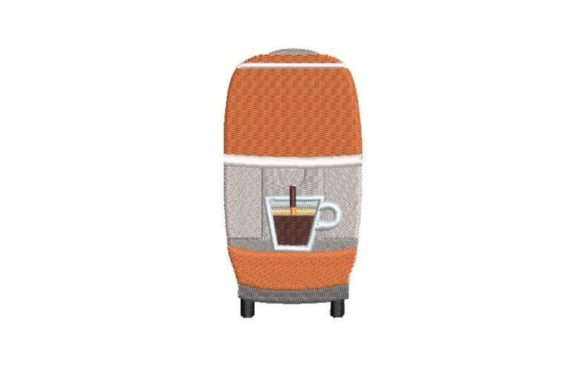
When you first open the files for the Coffee Capsule Machine, the immediate feeling is one of modern nostalgia. The design captures the essence of the coffee culture with a clean, graphic look that feels right at home on kitchen linens or workwear. Unlike some overly intricate patterns that can get lost when stitched, this design relies on strong lines and clear shapes. It has a decorative appeal that works well whether you are creating a simple gift tag or a statement piece for a boutique shop.
The visual mood is warm and inviting, making it an excellent choice for handmade products aimed at coffee enthusiasts. Whether you are designing a patch for a cap or a centerpiece for a baby blanket, the imagery of the capsule machine stands out without being overwhelming. It suggests a love for the craft of brewing, which resonates deeply with the target audience of barista workers and hobbyists. The design fits naturally into categories where comfort and utility meet style, such as sweatshirt embroidery or embroidered patches.
Performance in Real Embroidery Work
Moving from the screen to the hoop, the performance of the Coffee Capsule Machine becomes the true test. In my experience, a design that looks great digitally does not always translate perfectly to fabric. However, this design seems to have been crafted with the realities of stitching in mind. The layout appears balanced, which helps prevent thread breaks and ensures that the final product maintains its integrity after washing.
I considered using this design for several potential projects. For tote bag design applications, the size and detail level seem appropriate for canvas or cotton blends. The design would look fantastic on a heavy-duty apron, serving as a professional badge for a barista or a cute motif for a home kitchen. Similarly, for sweatshirt embroidery, the clean lines would hold up well against the texture of fleece or French terry. If you are looking to create commercial embroidery items for Etsy listings or craft fair products, this design offers a versatile option that appeals to a broad demographic.
The versatility extends to nursery decor and personalized gifts as well. A soft version of this design could be stunning on a baby blanket, adding a touch of personality without being too gender-specific. For those selling digital embroidery file assets or creating mockups, the clean structure of the Coffee Capsule Machine makes it easy to visualize on various materials, from dark fabrics to light backgrounds.
Practical Considerations for Stitching
While the design is promising, there are practical aspects every embroiderer must consider before starting production. One of the most critical factors is the hoop size. If the design is large, you will need a larger hoop, which might limit placement options on smaller items like caps or small patches. Conversely, if the design is compact, ensure that the details are not so fine that they disappear on textured fabrics.
Stitch density is another area to watch closely. Dense stitch areas can cause puckering, especially on stretchy fabrics or lightweight materials like tea towels. When working with dark fabric, you may need to adjust your underlay settings or use a higher quality stabilizer to support the design and prevent the fabric from distorting. For textured fabric, such as a thick wool blend or a rough canvas, the design should be tested to ensure the stitches lay flat and do not skip.
Small lettering, if present within the design, requires careful attention. Tiny text can become illegible if the stitch count is too low or if the thread tension is off. Always inspect small details after stitching to ensure clarity. Additionally, when working with curved cap surfaces, the design may need to be adjusted or digitized specifically for the curve to maintain its shape. Layered details should be checked for proper registration to avoid gaps or overlaps that could ruin the visual impact.
Impact on Product Value and Brand Consistency
In the world of handmade goods, the quality of the embroidery directly influences buyer trust and perceived value. A poorly executed design can make even the best materials look cheap, while a well-stitched piece elevates the entire product. Using the Coffee Capsule Machine correctly can enhance your brand consistency, signaling to customers that you pay attention to detail.
For custom apparel and personalized gifts, a crisp, clean finish is essential. Customers expect their items to withstand frequent washing without losing their shape or color vibrancy. If the design is applied with proper stabilizer techniques and high-quality thread colors, the finished product will retain its beauty over time. This reliability is crucial for apparel decorators and small business owners who rely on repeat customers and positive reviews.
The design also plays a significant role in product photography. A well-executed embroidery piece catches the light beautifully, making it stand out in online listings. Whether you are creating a printable mockup or photographing the actual item, the contrast and definition of the Coffee Capsule Machine will help showcase the craftsmanship involved. This visual appeal can drive engagement and sales, turning a simple coffee-themed item into a sought-after accessory.
Essential Tips for Success
To get the best results from this design, I recommend following a few key steps before mass production. First, always test on scrap fabric that matches the intended material. This allows you to check the thread color contrast and ensure the design sits well on the specific texture you are using.
- Review stitch density: Check if the fill areas are too tight or too loose. Adjusting these settings can prevent puckering and improve durability.
- Confirm hoop size: Ensure your machine hoop can accommodate the design dimensions without cutting off any elements.
- Compare mockups: Look at both light and dark fabric versions to see how the colors interact. Sometimes a design needs different thread palettes depending on the background.
- Use proper stabilizer: Depending on the fabric weight, choose between cut-away, tear-away, or water-soluble stabilizers to support the stitches.
- Inspect small details: Zoom in on the finished sample to ensure no tiny elements are missing or misaligned.
Finally, before selling finished items, it is vital to confirm file details and licensing on the Creative Fabrica product page. Understanding the terms of use ensures that you are compliant with all regulations regarding commercial embroidery and design assets.
Final Thoughts
The Coffee Capsule Machine design offers a charming and practical option for anyone looking to expand their embroidery portfolio. Its suitability for various materials and its appeal to coffee lovers make it a valuable addition to your collection of machine embroidery design files. By paying attention to the technical nuances of stitching and finishing, you can transform this digital asset into a high-quality handmade product that delights customers and strengthens your brand. Whether you are creating a unique embroidered patch or a cozy kitchen towel, this design provides a solid foundation for creative expression.