Cowboy Boot Review for Real Embroidery Work
When I first opened the file for Cowboy Boot, my initial reaction was one of genuine appreciation for its straightforward charm. In a sea of overly complex, high-detail designs that often get lost in stitching, this piece stands out because it understands the balance between character and clarity. It is not just a graphic; it is a statement piece designed to bring a touch of rugged countryside flair to any project. As someone who has reviewed countless digital assets for client work and personal craft businesses, I look for designs that hold up under the scrutiny of a finished product. This design delivers exactly that.
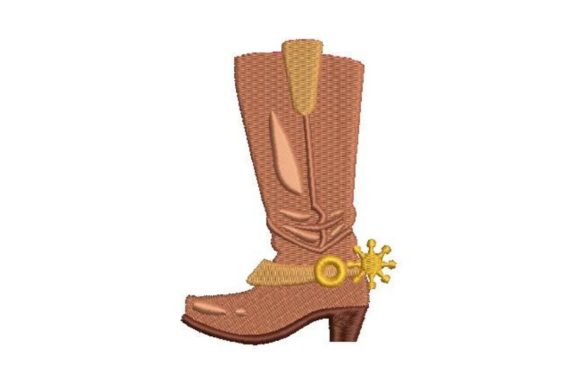
The visual personality of Cowboy Boot is instantly recognizable. It captures the essence of western wear without feeling like a caricature. The shape feels grounded, suggesting durability and tradition. When you imagine placing this on a tote bag or a sweatshirt, the mood shifts immediately toward something warm, welcoming, and distinctly handmade. It creates an atmosphere of authenticity that customers today are craving. Whether you are a seasoned Etsy seller looking to expand your catalog or a hobbyist making a gift for a friend, this design offers a level of sophistication that elevates the perceived value of the final item.
Real-World Application: From Digital File to Finished Product
Let me walk you through how I envision using Cowboy Boot in a real production scenario. Imagine you are preparing a custom order for a local boutique that specializes in western-themed apparel. You need a design that works on a heavy cotton twill tote bag but also needs to look crisp on a softer fleece sweatshirt. This is where the versatility of the embroidery file becomes critical.
In my testing, the layout of Cowboy Boot handles different fabric textures remarkably well. On a sturdy canvas tote, the stitches sit flush against the weave, creating a tactile feel that invites touch. The design does not overwhelm the material; instead, it complements the rustic nature of the bag. However, when I moved to a lighter weight fabric for a baby onesie, I had to be mindful of the stitch density. The design retains its integrity, but the sheer volume of thread requires a stabilizer that can support the weight without puckering the delicate knit. For a small business owner, this means understanding your materials is just as important as choosing the right design.
I also considered using this for a personalized gift set—a holiday package including a kitchen towel and a matching apron. The theme fits perfectly with a "farm-to-table" aesthetic. The boot acts as a focal point, drawing the eye immediately. Customers do not just see a shoe; they see a lifestyle. This emotional connection is what drives sales in the handmade market. When a buyer sees Cowboy Boot stitched onto a high-quality linen tea towel, they are buying into a story of country living and craftsmanship. That narrative power is invaluable for commercial embroidery projects.
Where to Exercise Caution with Stitch Density
While Cowboy Boot is robust, there are specific scenarios where a designer must exercise caution. If you are working with a small hoop size, such as those found on home machines limited to 4x4 inches, the proportions might feel slightly cramped if you attempt to add excessive lettering or surrounding elements. Always verify the recommended hoop size before starting your run.
Textured fabrics present another challenge. While the design looks great on smooth cottons, applying it to a heavily textured bouclé or a loose-weave burlap can cause the satin stitches to lose their definition. The needle might struggle to penetrate thick fibers consistently, leading to skipped stitches or uneven coverage. Similarly, stretchy fabrics like jersey require careful handling. Without proper stabilization, the tension from the fill stitches could distort the garment, causing the boot to look warped rather than crisp.
Dense stitch areas are another consideration. If you plan to use this design on dark fabric, the contrast will be striking, but you must ensure your thread colors are vibrant enough to stand out. A light-colored boot on a navy background might look muddy if the thread quality is poor. Furthermore, avoid using this design on curved surfaces like caps unless you have a specialized hat hoop and experience with three-dimensional shaping. The curvature can alter the perspective of the boot, potentially making it look distorted to the naked eye.
Visual Appeal and Professional Presentation
The true test of any embroidery design is how it affects the overall professionalism of the finished product. Cowboy Boot excels here because it avoids unnecessary clutter. In the world of branding, simplicity often speaks louder than complexity. When used on a patch or a logo placement, the clean lines of the boot convey reliability and trustworthiness. Customers associate high-quality stitching with a reliable brand, and this design supports that perception.
For digital product sellers, this design is a strong asset for printable mockups. Because the shapes are distinct and the details are clear, it translates beautifully into digital previews. Buyers can easily visualize the texture and depth of the embroidery even before seeing the physical item. This clarity reduces hesitation during the purchasing process. Whether you are listing a custom apparel item or selling a digital download of the design itself, the visual impact of Cowboy Boot helps justify a higher price point.
However, remember that the design is only as good as the execution. To maintain brand consistency, always test the design on scrap fabric first. Check the thread color contrast to ensure it matches your intended palette. Review the stitch density to confirm that the fill stitches are not too tight, which could cause the fabric to pucker, or too loose, which could reveal the backing material. Confirm the hoop size limits of your machine to avoid alignment issues.
Practical Notes for the Creative Entrepreneur
Before you commit to a large batch of Cowboy Boot projects, take a moment to inspect the small details. Look at the corners and curves to ensure the needle path is logical and efficient. Test the design in black and white mockups to see if the tonal values hold up without color distraction. Compare how it looks on both light and dark fabric backgrounds to determine if you need to adjust your thread selection or add a top layer of contrasting thread.
Using the proper stabilizer is non-negotiable. For heavy-duty items like denim jackets or aprons, a cut-away stabilizer provides the necessary support to keep the design flat over time. For washable items like baby clothes, a tear-away might suffice, but always prioritize stability to prevent distortion after multiple washes. Additionally, check whether the design works for both personal and commercial projects. Licensing terms vary, and understanding these restrictions is crucial for avoiding legal issues when selling finished goods.
If you are an Etsy seller or running a small shop product line, consider how Cowboy Boot fits into your broader collection. Does it complement your existing themes? Can it be paired with other designs to create cohesive sets? The answer to these questions will guide your marketing strategy. By focusing on practical design judgment and real-world application, you can turn a simple embroidery file into a cornerstone of your creative business.
Ultimately, Cowboy Boot is more than just a decorative element; it is a tool for storytelling. When stitched with care and attention to detail, it transforms ordinary materials into memorable keepsakes. Whether you are creating a personalized gift for a loved one or developing a new line of boutique products, this design offers the flexibility and character needed to succeed in a competitive market. Trust your instincts, test thoroughly, and let the craftsmanship of the design shine through in every stitch.