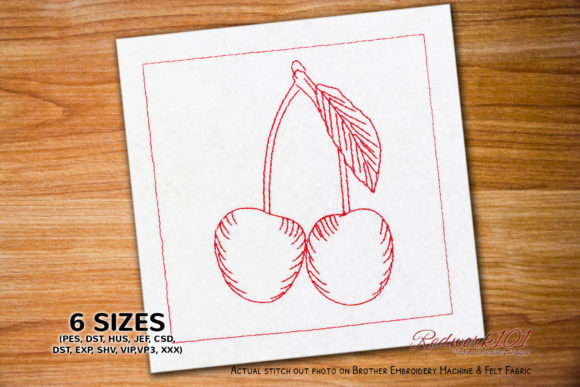
Delicious Cherries Embroidery Review for Apparel
As an embroidery designer who spends countless hours curating collections for boutique brands and handmade shops, I am always on the lookout for designs that offer versatility without sacrificing charm. When browsing through Creative Fabrica embroidery options for a new seasonal collection, I recently encountered a design titled Delicious Cherries. While it is often marketed toward kitchen decor, my initial assessment focused entirely on its potential for apparel projects, specifically for sweatshirts, hoodies, and custom t-shirts. This review breaks down how this specific food-themed design fits into a professional commercial embroidery workflow.
First Impressions and Visual Personality
The moment you open the file for Delicious Cherries, the visual personality jumps out. It carries a playful, rustic, yet undeniably cute aesthetic. The redwork style gives it a classic, vintage feel that stands apart from the overly glossy or complex multi-color fills common in modern digital files. For a small clothing brand looking to establish a warm, approachable identity, this design feels premium but accessible. It strikes a balance between bold enough to be noticed and minimal enough to not overwhelm a garment.
The stitching mood is cozy and inviting. It evokes feelings of summer picnics, farmers markets, and homemade jams. This makes it an excellent candidate for lifestyle product photos and social media graphics where the goal is to create an emotional connection with the buyer. Whether you are targeting Etsy sellers or running a standalone online shop, the design has the decorative strength to elevate a plain garment into a statement piece. It feels feminine and trendy, yet retains a timeless quality that will likely remain relevant beyond a single season.
Applying Delicious Cherries to Sweatshirt and Hoodie Collections
I have been planning a new collection of oversized garments and neutral sweatshirts, and I see significant value in integrating Delicious Cherries into this lineup. The simplicity of the redwork allows it to pop beautifully against various fabric textures. Imagine this design embroidered in bright red thread on a heather grey fleece hoodie; the contrast would be striking and the texture of the stitch would add depth to the soft material.
For chest placement on a standard hoodie, this design offers a subtle focal point that doesn't dominate the wearer's silhouette. It works particularly well as a sleeve accent on long-sleeve tees or oversized sweatshirts, adding a unique detail that customers love to discover. On the back of a garment, if scaled appropriately, it could serve as a large, artistic graphic that complements a slogan or remains a standalone art piece. The design also translates well to denim jackets, where the rugged texture of the denim pairs perfectly with the vintage vibe of the cherry motif.
Versatility Across Garment Types
Beyond hoodies, I am considering using this embroidery file for tote bags and aprons within a boutique merchandise line. The sturdy nature of canvas or cotton twill provides a stable base for the stitches, ensuring a clean finish. For t-shirt embroidery, the design's moderate density means it should lay flat without puckering, provided the correct stabilizer is used. It is also ideal for creating printable mockups for Etsy listings, allowing you to visualize the finished product before committing to production costs.
The design's ability to adapt to different colorways is a major asset. On pastel hoodies, the cherries offer a sweet, soft contrast. On dark apparel, a white underlay combined with vibrant red thread can make the image sing. This flexibility is crucial for commercial embroidery businesses that need to produce cohesive collections across multiple SKUs.
Strategic Considerations and Placement Challenges
While the design is promising, there are specific areas where caution is required. When planning for small chest placements, ensure the dimensions of Delicious Cherries do not get lost on smaller frames or fitted garments. Dense stitch areas can sometimes cause issues on stretchy fabrics like lightweight jersey or ribbed cuffs. If you plan to place the design near a seam or on a curved surface, such as the shoulder of a raglan tee, you must test the tension carefully to avoid distortion.
Fleece and heavy sweatshirt materials require a robust stabilization strategy. Without proper backing, the weight of the thread and the movement of the fabric can lead to shifting during the hooping process. Additionally, while the design is simple, it does feature some intricate details in the stems and leaves. On tiny lettering or very small placements, these details might merge together, reducing the clarity of the final finished product. Always inspect the stitch density in your digitizing software before sending the job to production.
Impact on Brand Identity and Product Value
In the competitive world of custom apparel and handmade products, the quality of your embroidery speaks volumes about your brand. A crisp, well-executed Delicious Cherries design signals professionalism and attention to detail. It builds buyer trust and enhances product recognition. Customers are more likely to engage with a brand that uses high-quality thread colors and precise stitch work.
This design can help define a specific niche within your shop. By consistently using food-themed elements like cherries, you create a visual consistency that becomes part of your brand's DNA. It transforms a generic sweatshirt into a curated item with a story. For digital sellers offering printable mockups or physical goods, this level of detail justifies a higher price point and increases customer engagement on platforms like Instagram and Pinterest.
Practical Designer Notes for Production
Before launching any products featuring Delicious Cherries, I strongly advise following a rigorous testing protocol. Start by testing on scrap fabric that matches the exact weave and weight of your intended garment. Check your stabilizer choice; a cut-away stabilizer is often best for knitwear to prevent stretching over time. Review the thread color contrast to ensure the red pops against your specific fabric shade.
Confirm the hoop size requirements and ensure your machine can accommodate the design dimensions comfortably. Inspect the stitch density to verify that it is appropriate for the fabric type; too dense, and the fabric may pucker; too sparse, and the coverage may look thin. Compare placement options on actual garments to see how the design behaves when worn. Finally, always check the Creative Fabrica product details and licensing terms thoroughly before selling finished apparel. Understanding the commercial usage rights is essential for protecting your business.
If specific technical details like stitch count or file formats are not explicitly listed in the product description, contact the creator or download a sample file to verify compatibility. This due diligence ensures that your small shop product meets the highest standards of quality. By treating every design with this level of scrutiny, you ensure that your handmade product lines remain professional, reliable, and beautiful.
Ultimately, Delicious Cherries is more than just a food illustration; it is a versatile tool for creative entrepreneurs. With careful execution and strategic placement, it can become a staple in your boutique brand's catalog, bringing joy and style to your customers' wardrobes.