Hammer: A Designer's Review for Small Business Merch
As an experienced embroidery designer who has spent years turning digital files into tangible brand assets, I approach every new design with a mix of creative excitement and technical scrutiny. When I first encountered the Hammer machine embroidery design, my initial reaction was one of solid utility. The title alone suggests strength, reliability, and a hands-on approach—qualities that resonate deeply with the ethos of small business owners, crafters, and handmade brands. Unlike purely decorative motifs that serve only as aesthetic fillers, this design feels like it was born from the Work category, implying a tool-like presence that can anchor a brand's visual identity.
In the world of custom apparel and branded merchandise, the difference between a generic clip-art image and a purpose-built embroidery file is often the difference between a forgettable giveaway and a coveted piece of merch. My review of Hammer focuses on its potential to elevate your product line, from staff uniforms to high-end boutique items. Whether you are an Etsy seller looking to create unique product labels or a local bakery needing durable apron designs, understanding the nuances of this design is crucial before you hit the stitch button.
The First Impression: Professionalism Meets Handmade Charm
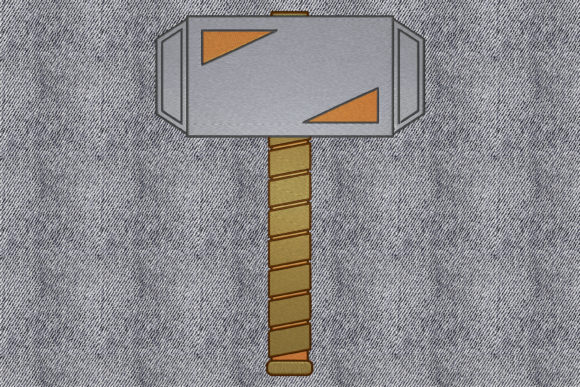
When evaluating Hammer, the design immediately strikes a balance between boldness and approachability. It does not scream "corporate" nor does it feel overly whimsical; instead, it lands squarely in the realm of authentic craftsmanship. For a small café, a florist shop, or a creative studio, this design offers a rustic yet premium vibe that aligns perfectly with the "handmade" aesthetic customers crave today. The visual weight of the hammer suggests durability and trustworthiness, making it an excellent candidate for branding that wants to communicate quality and effort.
This personality fits seamlessly into various business contexts. Imagine a pet brand using Hammer on a tote bag design to symbolize the hard work of caretaking, or a boutique using it as a chest logo accent on denim jackets. The design possesses a timeless quality that avoids fleeting trends, ensuring your finished product remains relevant season after season. It is the kind of asset that says, "We build things that last," which is a powerful message for any entrepreneur.
Real-World Applications for Small Business Merch
The versatility of this digital embroidery file is where it truly shines for commercial projects. In my experience, the most successful brands use their logos across multiple touchpoints, creating a cohesive visual language. Hammer proves adaptable enough to be used as an embroidered patch on a leather jacket, a subtle detail on the cuff of a work shirt, or a central feature on a canvas tote bag.
- Staff Uniforms: For restaurants, bakeries, or repair shops, placing Hammer on the left chest of an apron or uniform creates a sense of team pride. It transforms a standard work shirt into a branded piece of gear that employees are happy to wear.
- Custom Apparel: As a sleeve detail or back-of-neck mark on hoodies and sweatshirts, it adds a layer of sophistication without overwhelming the garment. This is ideal for limited-run drops by fashion designers or streetwear brands.
- Branded Patches: One of the most popular uses for this design is converting it into an embroidered patch. These can be ironed or sewn onto caps, backpacks, and jean bags, offering a flexible way to expand your product catalog.
- Event Merchandise: For workshops, trade shows, or community events, Hammer serves as a memorable takeaway. Customers love receiving high-quality items that they can actually use, increasing the likelihood they will display your brand publicly.
Strategic Considerations and Limitations
While Hammer is a robust design, an experienced designer knows that context is everything. There are specific scenarios where caution is required to ensure the final output matches your expectations. For instance, if you plan to use this as a tiny lettering accent or a very small patch size, the details of the hammer might get lost in the stitching. High stitch density, while good for durability, can sometimes make small areas look bulky or stiff, particularly on delicate fabrics.
Curved surfaces, such as the front of a baseball cap, present another challenge. While the design looks great flat, the curvature of a cap can distort the geometry of the hammer if the digitization isn't optimized for the curve. Similarly, textured fabrics like heavy wool or rough linen can hide the fine lines of the design, reducing the clarity of the thread colors. If you are working with dark uniforms, you must ensure there is sufficient underlay and contrast in the thread palette to prevent the design from sinking into the background fabric.
Frequent washing is also a factor to consider. Designs with intricate outlines or high-density fills may pill or fray over time if not stabilized correctly. Therefore, Hammer is best suited for items that receive moderate wear rather than heavy industrial abuse, unless reinforced with appropriate stabilizers and thread choices.
Impact on Brand Identity and Customer Trust
Every stitch tells a story, and choosing the right design is a critical part of building your brand identity. Using a well-executed Hammer design signals to your customers that you pay attention to detail. It elevates the perceived value of your products, moving them from "cheap souvenirs" to "premium goods." When a customer sees a crisp, professional embroidery on a tote bag or a cap, their trust in your business increases automatically.
This visual consistency is vital for recognition. If your marketing materials, website, and physical products all feature the same strong imagery, you create a memorable impression. The rugged yet refined nature of Hammer helps establish a brand personality that is grounded and reliable. For handmade product sellers, this authenticity is currency; it reassures buyers that the care put into the design reflects the care put into the product itself.
Practical Designer Notes for Production
Before you commit to a large production run, follow these essential steps to ensure success. First, always test the design in black and white on a digital printable mockup. This helps you visualize how the shapes hold up without the distraction of color. Next, inspect the spacing and confirm the hoop size requirements listed in the file details. If the file format is not specified, contact the provider to ensure compatibility with your specific machine.
Thread color contrast is paramount. Test different combinations on scrap fabric to see how the light interacts with the stitches. Do not rely solely on the screen preview; the real world of fabric texture behaves differently. Always use the proper stabilizer for the material you are embroidering, whether it is a soft tee or a sturdy canvas. Creating a physical mockup for client approval is also a smart move, allowing you to catch any issues before mass production begins.
Finally, verify the commercial licensing terms. Just because you own the file does not always mean you have the right to sell thousands of items bearing the design. Ensure you have the necessary permissions for commercial embroidery projects. By taking these precautions, you protect your investment and guarantee that your Hammer design delivers the professional results your small business deserves.