Plaid Pumpkin Review for Small Business Merch
As an experienced embroidery designer who has spent years refining designs for commercial use, I approach every new file with a critical eye. When evaluating the Plaid Pumpkin design, my primary focus is not just on how it looks in isolation, but on its viability as a core asset for small business merchandise and branded patches. This piece arrives with a specific promise: to beautifully decorate textile bags or home decor for Halloween, Thanksgiving, or fall in general. While that description highlights seasonal utility, my review focuses on whether this machine embroidery design can stand up to the rigors of daily wear, frequent washing, and professional brand standards.
First Impressions: Visual Personality and Brand Fit
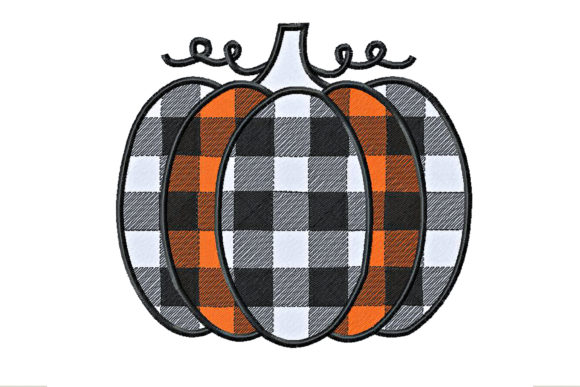
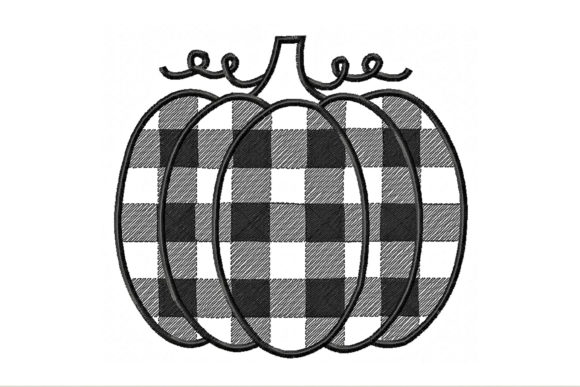
The name Plaid Pumpkin immediately evokes a sense of rustic charm mixed with modern playfulness. In the world of handmade products and boutique branding, this design feels less like a generic holiday clipart and more like a curated design asset. The plaid pattern suggests stability, tradition, and a cozy aesthetic that resonates deeply with customers looking for authentic, artisanal goods. For a bakery, a florist, or a local café, this visual personality aligns perfectly with a brand identity that values warmth and community.
However, from a technical standpoint, the first impression must also consider the complexity of the pattern. A plaid motif relies heavily on clean lines and consistent stitch density to avoid muddying at smaller scales. If executed well, the Plaid Pumpkin offers a premium look that elevates simple items like tote bags or aprons into high-value merchandise. It strikes a balance between being festive enough for the season and classic enough to remain relevant throughout the autumn months.
Real-World Application for Small Business Merch
The true test of any digital embroidery file lies in its application across various product types. I have analyzed how the Plaid Pumpkin performs when translated into physical goods for small business owners, Etsy sellers, and apparel decorators.
- Embroidered Patches: This design has immense potential as a sew-on patch. The bold nature of the pumpkin shape combined with the geometric interest of the plaid creates a focal point that works well on denim jackets, canvas backpacks, or the collars of work shirts. It serves as an excellent "badge of honor" for staff uniforms, signaling team spirit while maintaining a stylish edge.
- Apron Embroidery: For bakeries, coffee shops, or craft studios, placing this design on the chest or back of an apron is a strategic move. It transforms a utilitarian garment into a branded marketing tool. Customers often remember the unique details on a server's uniform, and the Plaid Pumpkin provides a memorable visual anchor that reinforces the shop's autumnal theme without overpowering the wearer.
- Tote Bag Design: Canvas tote bags are a staple of small business giveaways. The design's ability to decorate textile bags is highlighted in its description, and it holds up well here. Whether placed centrally or as a repeating pattern along the side, the embroidery adds texture and perceived value to the bag, encouraging customers to carry your brand around town.
- Cap Embroidery: Structured caps offer a curved surface that challenges even the best files. If the Plaid Pumpkin is sized correctly, it can serve as a striking logo accent on the front panel. It projects a casual yet polished image suitable for outdoor markets, pop-up events, or promotional days.
- Product Packaging Accents: Beyond clothing, this design can be used on fabric tags attached to handmade products. Adding a touch of seasonal flair to product packaging shows attention to detail, which significantly boosts customer trust and engagement.
Strategic Considerations for Commercial Use
While the Plaid Pumpkin is versatile, there are specific scenarios where caution is required. As a professional, I advise against using this design for extremely small patch sizes or intricate details on tiny lettering. The plaid elements require sufficient space to breathe; compressing them too much can result in a muddy appearance that lacks definition.
Fabric texture plays a crucial role in the final outcome. On highly textured fabrics, the definition of the plaid lines may soften, potentially losing the crispness intended by the designer. Similarly, when working with dark uniforms, thread color contrast becomes paramount. You must ensure the chosen thread colors provide enough contrast against the fabric to maintain visibility. If the design features detailed outlines, these can sometimes get lost during the stitching process if the stitch density is not optimized for the specific material.
Items that undergo frequent washing, such as chef aprons or heavy-duty work shirts, demand a robust design. The durability of the Plaid Pumpkin will depend on the underlay and the stabilizer used. Without proper support, high-density areas might pucker over time, affecting the professional look of the finished product.
Impact on Brand Identity and Customer Trust
In the competitive landscape of handmade brands and merch creators, visual consistency is key. Using a cohesive set of design assets ensures that your brand is instantly recognizable. The Plaid Pumpkin contributes to a narrative of quality and care. When a customer sees a professionally embroidered logo on a tote bag or a neatly stitched patch on a cap, it signals that the business invests in its presentation.
This attention to detail directly influences buyer engagement. A well-executed embroidery project elevates the perceived value of the item, making it feel less like a mass-produced commodity and more like a special, limited-edition piece. For businesses selling custom apparel or seasonal goods, the Plaid Pumpkin acts as a bridge between the functional and the decorative, enhancing the emotional connection with the customer.
Practical Designer Notes for Production
Before committing to a large production run, every serious embroiderer should follow a rigorous testing protocol. Here are essential steps to ensure the success of the Plaid Pumpkin in your commercial projects:
- Test in Black and White: Convert the design to grayscale first. This helps you evaluate the contrast and density of the stitches without the distraction of color. If the design looks muddy in black and white, it will likely struggle in full color.
- Check Small Patch Size: Create a mockup at the intended patch size. Verify that the fine details of the plaid remain distinct and do not merge together.
- Review Thread Color Contrast: Experiment with different thread combinations. Ensure the colors pop against the target fabric, especially if you are working with dark uniforms or deep-colored textiles.
- Inspect Spacing and Hoop Size: Confirm that the design fits within your standard hoop sizes. Proper spacing prevents crowding and ensures the fabric lays flat after stitching.
- Test on Real Fabric: Do not rely solely on digital previews. Stitch the design on the actual fabric you plan to use. Different materials react differently to needle penetration and thread tension.
- Use Proper Stabilizer: Select a stabilizer that matches the weight and stretch of your fabric. This is critical for preventing puckering and ensuring the longevity of the embroidery.
- Create a Printable Mockup: Before sewing, generate a printable mockup for client approval. This allows stakeholders to visualize the final product and catch potential issues early.
- Compare Design Assets: Place the Plaid Pumpkin alongside other elements of your brand identity to ensure visual harmony. Does it complement your existing logos? Is the style consistent?
- Confirm Commercial Licensing: Finally, verify the terms of the digital embroidery file. Ensure you have the necessary rights to use the design for commercial purposes, including resale of finished goods.
By following these guidelines, you can maximize the potential of the Plaid Pumpkin as a powerful tool for your business. Whether you are creating event merch, crafting branded product add-ons, or designing custom apparel, this design offers a blend of seasonal appeal and professional polish. With careful execution, it can become a signature element of your brand's visual language, driving recognition and loyalty among your customer base.