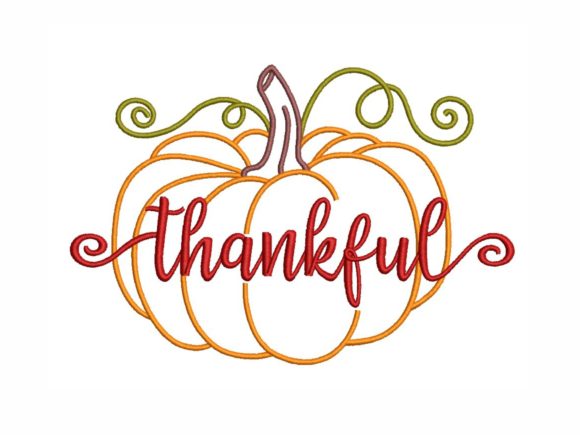
Thankful Embroidery Design Review
First Impressions of the Thankful Embroidery Design
The Thankful embroidery design immediately feels warm and inviting. As a professional embroidery designer, I can tell this is not just a decorative piece but one that carries a sense of gratitude and friendliness. The title alone suggests a theme centered around appreciation, which makes it ideal for small businesses looking to convey a sense of community and care through their branding.
This design has a classic yet modern aesthetic. It's neither too rustic nor overly ornate, making it versatile enough to fit various industries—from cafes to handmade boutiques. The clean lines and thoughtful composition suggest that Thankful was designed with brand identity in mind, allowing it to be both playful and professional depending on the context.
Real Business Use of Thankful
For small business owners, Thankful offers an excellent opportunity to incorporate meaningful branding into small business merch. Whether you're creating embroidered patches, staff uniforms, or custom apparel, this design can add a personal touch that resonates with customers.
- Embroidered Patches: Thankful works well as a patch for tote bags, aprons, or even as a label on handmade products. Its simplicity ensures it remains legible even at smaller sizes.
- Cap Embroidery: This design can be used on caps, especially if placed on the back or side. However, caution should be taken when using it on cap fronts due to limited space.
- Tote Bag Design: The Thankful embroidery design adds a nice visual accent to tote bags, especially when paired with other brand elements like logos or taglines.
- Apron Embroidery: For cafés or bakeries, Thankful can be stitched onto aprons to reflect a culture of gratitude and care among staff.
- Product Packaging Accents: Small embroidered accents using Thankful can elevate product packaging, giving it a more handmade product feel.
Where to Use Thankful with Caution
While Thankful is versatile, there are certain scenarios where extra attention is needed:
- Small Patch Sizes: Ensure that the design maintains clarity when reduced in size. Test it on a printable mockup before finalizing.
- Curved Surfaces: Cap curves or rounded items may distort the design if not adjusted properly during digitization.
- High Stitch Density: If the design requires multiple thread colors, ensure your machine can handle the stitch density without compromising quality.
- Fabric Texture: Textured fabrics may affect how the Thankful embroidery appears. Always test on real fabric with proper stabilizer.
- Dark Uniforms: Thread color contrast is essential. White or light-colored threads might not stand out on dark garments. Consider using thread colors that complement the base fabric.
Thankful and Brand Identity
When integrated thoughtfully, Thankful can enhance brand identity by conveying warmth and appreciation. It’s particularly effective for businesses in the hospitality, creative, or handmade sectors, where customer connection is key.
Using Thankful consistently across design assets—like uniforms, gift bags, or event merchandise—can improve customer trust and recognition. A unified look across all branded items helps build a stronger visual consistency and reinforces the brand’s personality.
Additionally, Thankful can increase the product value of your offerings. Customers often associate well-designed, handcrafted details with higher quality and authenticity.
Practical Embroidery Designer Notes
Before using Thankful for commercial projects, consider the following tips:
- Test in Black and White: See how the design looks in monochrome before choosing thread colors.
- Check Small Patch Size: Ensure the design remains clear and recognizable when scaled down.
- Review Thread Color Contrast: Select colors that work well on your chosen fabric.
- Inspect Spacing: Confirm that the spacing between elements is appropriate for the hoop size and fabric type.
- Confirm Hoop Size: Make sure the design fits within your standard hoop size for efficient production.
- Test on Real Fabric: Always do a sample run on actual fabric to check how the Thankful embroidery looks in practice.
- Use Proper Stabilizer: Especially important for textured or stretchy fabrics to prevent puckering.
- Create a Mockup: Provide a printable mockup for client approval before full-scale production.
- Compare with Other Assets: Ensure Thankful aligns with your existing design assets for cohesive branding.
- Confirm Commercial Licensing: Always verify that the digital embroidery file comes with proper rights for commercial embroidery use.
Final Thoughts on Thankful
In summary, Thankful is a well-balanced embroidery design that blends elegance with approachability. It’s perfect for small business merch and branded patches, offering flexibility across different materials and applications. With careful planning and testing, Thankful can become a valuable addition to your brand identity and help strengthen your customer engagement.
Whether you're an apparel decorator, Etsy seller, or craft business owner, Thankful provides a meaningful way to express gratitude through your products. Just remember to follow best practices for machine embroidery design and always prioritize quality in your finished product.