Bigfoot Applique: A Designer's Real-World Review
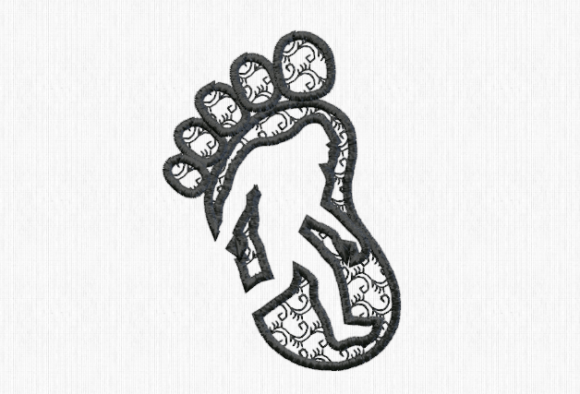
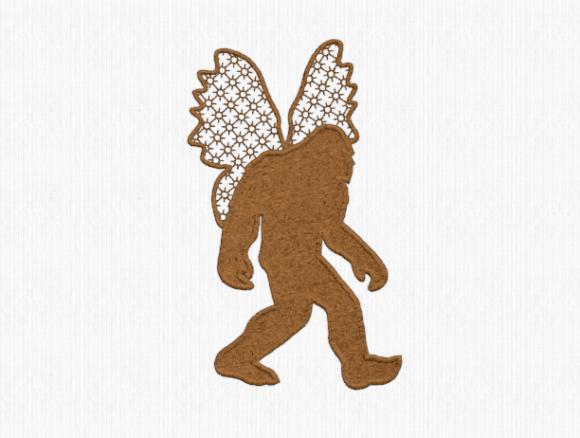
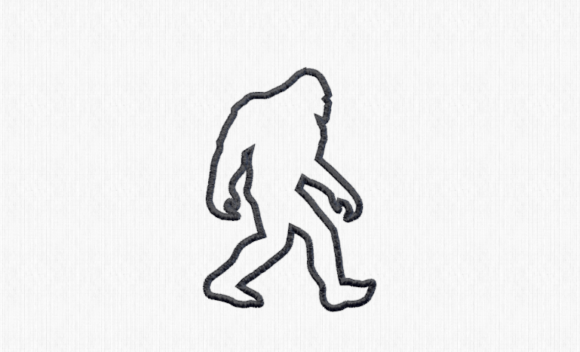
When I first opened the file for Bigfoot Applique, my initial reaction was a mix of curiosity and practical skepticism. As someone who has spent years reviewing embroidery designs for commercial clients and personal craft projects, I know that "simple" can often mean "risky." However, this design immediately struck me as having a distinct personality. It isn't just a generic monster; it is a silhouette of Bigfoot contained within a footprint shape. This specific concept creates an intriguing mood right out of the gate—it feels playful yet mysterious, perfect for anyone looking to add a touch of legendary folklore to their work without overwhelming the fabric with excessive detail.
The category falls under Wild Animals, but let's be honest: this is less about zoology and more about storytelling. The design relies on the power of negative space and strong outlines. For an applique design, this is a smart move. By reducing the figure to a silhouette, the designer ensures that the stitching remains clean and the visual impact remains high even when the thread count is lower than a complex fill stitch would require. It suggests a project that is bold enough to be seen from across a room but subtle enough to fit into a cozy aesthetic.
Real-World Application: From Digital File to Finished Product
I recently decided to test Bigfoot Applique in a scenario that mimics a real client order. I was preparing custom embroidered tote bags for a local outdoor festival booth. The goal was to create a unique accessory that appealed to hikers and nature lovers without looking like a mass-produced souvenir. The challenge with applique on canvas or heavy cotton blends is always managing the bulk and ensuring the edges lay flat.
The footprint silhouette proved to be an excellent choice for this application. Because the design is essentially one continuous shape, it minimized the number of trims required during the machine embroidery process. When I finished the stitch-out on the tote bag, the result was crisp. The applique technique allowed me to use a contrasting fabric—perhaps a dark forest green felt against a natural canvas bag—which made the Bigfoot silhouette pop instantly. It transformed a plain utility bag into a conversation starter. Customers at the booth didn't just see a logo; they saw a story element that sparked questions about the legend itself.
This same design logic applies beautifully to other handmade products. Imagine a sweatshirt embroidery project where the Bigfoot footprint is placed over the heart area. The applique adds a tactile dimension that standard satin stitch simply cannot achieve. Or consider baby clothes, where the softness of the fabric applique is crucial. A onesie featuring Bigfoot Applique could serve as a memorable personalized gift for a family planning a camping trip. The design is versatile enough to work on aprons, pillow covers, and even kitchen towels, making it a valuable asset for any Etsy seller or small shop owner looking to diversify their inventory.
Where Caution Is Key: Fabric and Hoop Considerations
While the design is robust, no embroidery file is universally perfect without some adjustments. There are specific situations where Bigfoot Applique requires careful handling. If you are working with small hoop sizes, the footprint shape might feel cramped if the surrounding negative space isn't accounted for. Always check your hoop size before committing to a final run. A design that looks spacious on a computer screen can feel claustrophobic when stitched into a 4x4 inch hoop.
Fabric texture plays a massive role in how this design translates. On smooth, tightly woven fabrics, the applique edges will look sharp and professional. However, on highly textured fabrics like chunky knits or loose-weave linens, the contrast between the fabric and the applique material might get lost. Similarly, stretchy fabrics present a challenge. While applique generally stabilizes the area better than dense fill stitches, the tension of the stitching can still cause puckering if not properly supported with a cut-away stabilizer. For stretchy materials, I recommend testing the design on scrap fabric first to ensure the shape holds its integrity after washing.
Dense stitch areas are another factor to watch. Although this is an applique design, the outline likely uses a combination of satin stitch and perhaps a running stitch for definition. If the thread colors chosen do not provide enough contrast against the background fabric, the details of the footprint could disappear. This is particularly true on dark fabrics. A light-colored applique on a black shirt works well, but a dark blue silhouette on navy fabric might require a bright outlining thread to make the character visible. Always review the design in black and white mockups to verify that the contrast is sufficient before spending hours on production.
Visual Appeal and Professional Presentation
In the world of commercial embroidery and digital product sales, visual appeal directly impacts customer trust and perceived value. Bigfoot Applique elevates a product by adding a layer of craftsmanship. Handmade products often suffer from being perceived as "cheap" if the embroidery looks flat or poorly defined. Applique solves this by introducing depth. When a buyer sees a raised, textured footprint on a garment or home decor item, they immediately associate higher quality with the brand.
This design also enhances the giftability of a product. Personalized gifts often need a unique hook to stand out among generic options. A hoodie featuring a stylized Bigfoot footprint is far more memorable than a standard text-based design. It signals that the maker put thought into the theme. For boutique branding, this design can be used consistently across a range of items—from tags to packaging—to create a cohesive visual identity. It fits perfectly into themes of adventure, mystery, and the outdoors, allowing creative entrepreneurs to build a narrative around their shop.
However, professionalism demands that we acknowledge limitations. If you are selling digital embroidery files, you must confirm licensing terms clearly. Buyers need to know if they can sell finished items using this design or if it is restricted to personal use only. Ambiguity here can lead to disputes and damage to your reputation. Furthermore, when creating printable mockups for your listings, ensure the rendering accurately reflects the texture of the applique. A flat image does not do justice to the tactile nature of the design.
Practical Notes for the Embroidery Designer
Before you load this file into your machine for a major production run, there are several technical checks that every experienced designer should perform. First, inspect the small details. Even in a simple silhouette, there may be tiny anchor points or intricate corners that need reinforcement. Run a test stitch on scrap fabric to see how the thread colors interact and to check the stitch density. If the density is too high, the fabric might pucker; if too low, the design might look sparse.
Stabilizer selection is non-negotiable for applique work. Depending on the weight of your fabric, you may need a tear-away or a cut-away backing to support the weight of the applique material and prevent distortion. Always compare light and dark fabric backgrounds during your testing phase to ensure the design remains legible in all contexts. If you plan to use this for commercial embroidery projects, such as caps or curved surfaces, remember that the curvature can distort the shape slightly. You may need to adjust the digitizing or use a specialized cap hoop to maintain the integrity of the footprint shape.
Finally, consider the longevity of the finished product. Items that need frequent washing, like aprons or kitchen towels, require durable stitching. Applique is generally durable, but the edges must be securely anchored. If you are an Etsy seller or a craft business owner, investing time in these tests now will save you from costly returns later. Bigfoot Applique is a fantastic tool for expanding your product line, but it rewards those who approach it with a critical eye and a willingness to test thoroughly.
Ultimately, this design offers a blend of whimsy and structure that is hard to find in standard embroidery libraries. Whether you are creating a custom apparel piece for a friend or building a catalog of digital assets for your shop, Bigfoot Applique provides a solid foundation for a standout project. Just remember to respect the mechanics of the medium, choose your materials wisely, and let the legend shine through the stitching.