Sloth Sleeping: A Designer's Review for Craft Fair Success
Sloth Sleeping is the kind of design that immediately catches my eye when I am scrolling through a digital marketplace or browsing a new vendor booth. As an experienced embroidery designer who has spent years refining patterns for weekend craft fairs and handmade markets, I know that the difference between a product that sits on a table and one that sells out lies in its visual impact and practical production value. This review breaks down exactly why Sloth Sleeping is a standout addition to your collection and how it can elevate your craft fair product line.
First Impressions: Cute, Cozy, and Perfectly Marketable
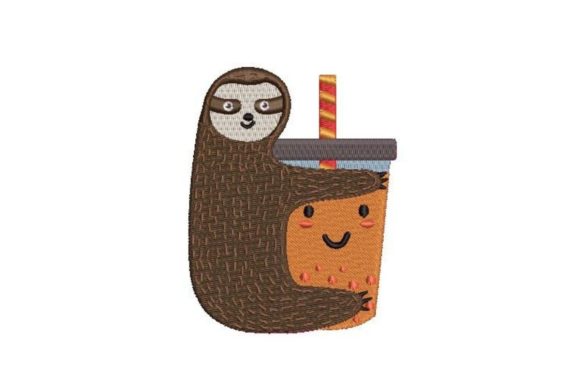
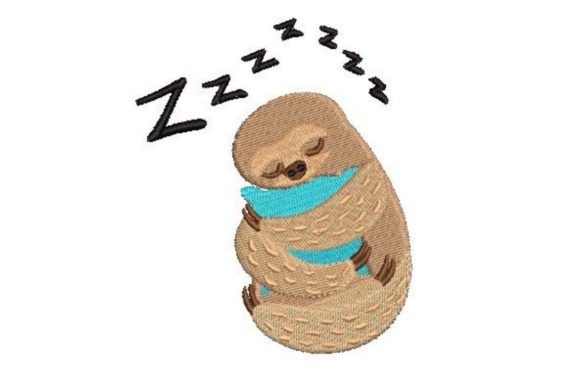
When you first look at the description of this piece, the phrase "eye-catching design" is not just marketing fluff; it is accurate. The title Sloth Sleeping evokes a sense of calm, humor, and rustic charm that resonates deeply with current trends in home decor and lifestyle accessories. It feels soft, minimal, yet decorative enough to stand out against a busy background. For the Wild Animals category, this design avoids being too cartoonish or too realistic, hitting that sweet spot of modern farmhouse aesthetics that sells so well in boutique shops.
The mood is undeniably cozy. In a sea of bold florals and geometric patterns, a sleeping sloth offers a moment of pause. It suggests relaxation, which is a powerful emotional hook for customers looking for gifts or personal treats. Whether you are an Etsy seller or a maker setting up a physical booth, this design brings a unique personality that invites interaction. It is the kind of image that makes a customer stop, smile, and ask, "Where did you get that?"
Product Applications: Where Sloth Sleeping Shines
Imagine walking into a craft fair booth. The display is filled with embroidered tote bags, aprons, tea towels, patches, caps, small pouches, pillow covers, and giftable handmade items. Where does Sloth Sleeping fit best? The versatility of this embroidery file allows it to perform exceptionally well across multiple categories, but some applications will generate more sales than others.
- Tote Bag Design: This is a powerhouse application. Placing Sloth Sleeping as a large focal design on a canvas tote bag creates a statement piece. It is perfect for book lovers, gardeners, or anyone who appreciates cute animal motifs. The relaxed nature of the sloth contrasts beautifully with the sturdy fabric of a tote, making it a highly desirable handmade product.
- Apron Embroidery: For the kitchen-focused crafter, this design adds a whimsical touch to workwear. An apron featuring a sleeping sloth is a fantastic gift idea for parents or foodies. It transforms a utilitarian item into a conversation starter.
- Tea Towel Embroidery: Soft cotton towels provide an excellent canvas for this design. The texture of the towel enhances the stitch definition, and the hanging display of these towels at a market booth draws the eye immediately. They are low-cost impulse buys that add volume to your sales.
- Embroidered Patch: If you are selling patches, Sloth Sleeping works wonderfully as a detachable accessory. Customers love adding personality to their denim jackets or backpacks. A high-quality patch with clean edges and vibrant thread colors stands out significantly.
- Caps and Fabric Pouches: For smaller items, this design serves as a charming accent. On a cap, it adds a subtle flair without overwhelming the wearer. On a small pouch, perhaps for makeup or coins, it becomes a delightful detail that increases the perceived value of the item.
- Pillow Covers and Market Bags: These larger surface areas allow you to showcase the full beauty of the design. A pillow cover with this motif fits perfectly into nursery decor or a living room with a nature theme.
Production Practicality and Visual Appeal
From a production standpoint, Sloth Sleeping appears to be a smart choice for batch production. Designs that are easy to understand at a glance tend to sell faster because customers do not need time to decode the art. The silhouette of a sleeping sloth is distinct and recognizable even from a distance, which is crucial for booth displays where you want to grab attention quickly.
Photography is another critical factor for digital sellers and those posting printable mockups. A design like this photographs beautifully. The contrast between the thread colors and the fabric background can be highlighted effectively in online listings, ensuring that the finished product looks just as good on a screen as it does in person. Furthermore, the design feels repeatable. You can easily create variations by changing the thread colors or the background fabric, allowing you to keep your inventory fresh without reinventing the wheel.
Careful-Use Notes: Avoiding Common Pitfalls
While this design has great potential, every machine embroidery design requires careful handling to ensure quality. Before committing to mass production, you must evaluate specific technical aspects. If the design includes dense stitch areas, ensure your machine can handle the tension without puckering the fabric. Tiny details, if present, might lose clarity if the design is scaled down too much for small items like caps or tiny pouches.
Consider the fabric texture. While tea towels and canvas are forgiving, textured fabrics or thick materials might hide the finer details of the stitching. Dark fabric requires careful selection of thread colors to ensure the design pops rather than blending in. Additionally, curved surfaces like caps can distort certain shapes, so always test the design on the actual garment type before selling it as a standard SKU.
Designer's Checklist for Success
To maximize the return on investment for Sloth Sleeping, follow these professional steps. First, test the design on scrap fabric using the same stabilizer and hoop size you plan to use for the final product. This ensures that the stitch density is correct and that the fabric does not pucker. Check thread contrast carefully; sometimes a color that looks good on a monitor needs adjustment in the real world.
Create at least one real mockup to see how the design translates to a 3D object. Compare different fabric colors to find the most appealing combination. Confirm your hoop size limitations to avoid any surprises during the run. Most importantly, verify the commercial licensing terms of the embroidery file before selling finished products. Ensure you have the rights to produce and sell items made with this design.
Final Thoughts on Selling Value
In the competitive world of handmade goods, Sloth Sleeping offers a compelling narrative. It appeals to emotion, fits seamlessly into various product lines, and maintains a high level of aesthetic appeal. By integrating this design into your commercial embroidery offerings, you are not just selling a pattern; you are selling a feeling of comfort and joy. Whether you are creating a single boutique item or a full range of small shop products, this design has the power to engage buyers and strengthen your brand consistency. It is a reliable asset for any creative entrepreneur looking to expand their portfolio with something truly special.