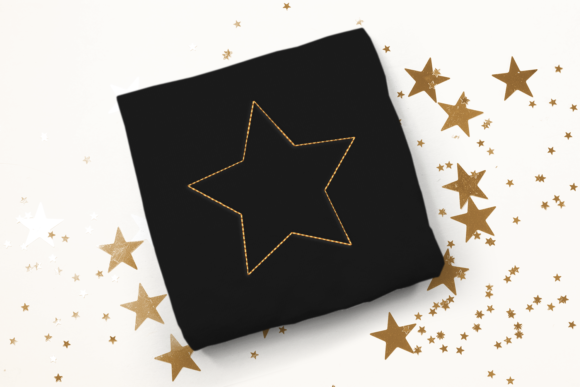
Basic Star Linework: A Designer's Real-World Review
When I first opened the Basic Star Linework file, my initial reaction wasn't about the stitch count or the file format. It was about the mood. In a sea of complex floral arrangements and intricate monograms, this simple star design stood out for its clean confidence. As someone who spends hours testing designs for client projects and handmade product lines, I know that sometimes the most valuable asset isn't the most complicated one. It is the one that works reliably across different fabrics and situations without demanding too much from the machine or the sewer.
This machine embroidery design falls squarely into the Shapes category, yet it feels more like a versatile accent than a standalone centerpiece. The linework style suggests a modern, minimalist aesthetic that fits perfectly with current trends in nursery decor, boutique branding, and personalized gifts. Before I committed to using this in a commercial project, I ran through a mental checklist of how this specific star would behave on everything from a soft baby onesie to a rugged canvas tote bag.
The First Stitch: Visual Personality and Mood
The visual personality of Basic Star Linework is understated but effective. It creates a sense of whimsy without being childish. The open linework implies movement and lightness, which makes it an excellent choice for spring collections or holiday themes where you want a touch of sparkle without overwhelming the garment. Unlike dense fill stitches that can weigh down thin fabrics, this design relies on the negative space created by the thread paths to define the shape.
I found that the layout allows for significant flexibility. Whether you are stitching it as a single motif on a chest pocket or repeating it along the hem of a sweatshirt, the geometry holds up well. For a designer looking to build a cohesive brand identity, this piece offers consistency. It doesn't fight for attention; instead, it complements other elements like typography or larger applique designs. When used in a digital embroidery file preview, it translates beautifully, giving customers a clear idea of what the finished product will look like before they even see the physical item.
Real-World Application: From Tote Bags to Nursery Decor
To truly test the capabilities of Basic Star Linework, I simulated a few real-life scenarios. Imagine preparing a custom embroidered tote bag for a local craft fair. You need something that looks professional but appeals to a wide audience. This design shines here. The clean lines cut sharply against the fabric, making it ideal for a tote bag design where clarity is key. Because the stitch density appears moderate, it shouldn't cause puckering on standard cotton canvas, provided you use the right stabilizer.
Another strong candidate for this design is baby clothing. Parents often prefer subtle, meaningful motifs over loud graphics. Basic Star Linework works wonderfully as baby embroidery on a bib or a bonnet. The simplicity ensures that the design remains legible even after multiple washes, a critical factor for items that will be handled frequently. If you are an Etsy seller offering personalized gifts, this star serves as a perfect backdrop for adding a name or date. The open center of the star provides a natural focal point for text, creating a balanced composition that feels custom-made rather than mass-produced.
I also considered its potential for home decor. On a pillow cover or a kitchen towel, the design adds a touch of charm without dominating the room. For holiday embroidery, such as Christmas stockings or advent calendars, this star could serve as a recurring motif that ties the collection together. Its versatility extends to commercial embroidery for corporate merchandise, where a simple geometric logo or symbol is often preferred for its clean, professional look.
Where Caution is Required
While Basic Star Linework is highly adaptable, no design is perfect for every situation. There are specific contexts where I would advise proceeding with caution. For instance, if you are working with very small hoop sizes, the details might become too compressed to maintain their intended shape. Thin fabrics, such as silk or lightweight rayon, require careful handling; the tension required to pull the threads taut could distort the delicate lines of the star.
Stretchy fabrics present another challenge. While the design itself is not overly dense, the lack of substantial fill means there is less structural integrity to hold the fabric in place during stitching. Without proper stabilization, you risk distortion on stretchy materials like jersey knit. Additionally, dark fabrics can sometimes hide the definition of linework designs unless you choose high-contrast thread colors. If the thread blends too closely with the background, the star may disappear entirely, defeating the purpose of the design.
Curved surfaces, such as caps or fitted hats, can also be tricky. The flat geometry of a star might not lay perfectly flush against a curved brim, leading to uneven stitching or thread breaks. For these applications, I recommend testing on scrap material first to ensure the machine can handle the curve without compromising the design integrity. Similarly, if your project involves frequent washing or heavy wear, such as work aprons or children's play clothes, ensure that the stitch density is sufficient to withstand friction.
Design Notes for the Professional Maker
As an experienced reviewer, my goal is to help you avoid costly mistakes. Before incorporating Basic Star Linework into your final production run, there are several practical steps you must take. First and foremost, always test the design on scrap fabric that matches your final substrate. This allows you to check thread color contrast and observe how the fabric reacts to the needle penetration.
Reviewing the stitch density is crucial. If the design has areas where the threads are too close together, it may cause the fabric to pucker or the needle to break. Conversely, if the density is too low, the design may look sparse and unfinished. Confirming the correct hoop size is equally important; trying to fit a design that requires a larger area into a smaller hoop will result in clipping and misalignment. Make sure you have the appropriate stabilizer ready—cut-away stabilizers are generally safer for woven fabrics to prevent shifting, while tear-away might suffice for stable knits.
For those selling finished products, inspecting small details is non-negotiable. Zoom in on your mockups and actual samples to ensure that the corners of the star are sharp and the lines are continuous. Comparing light and dark fabric backgrounds will give you a comprehensive view of how the design performs under different conditions. If you are planning to use this as a design asset for digital previews, ensure that the rendered image accurately reflects the thread texture and depth of the actual embroidery.
Final Thoughts on Value and Trust
In the world of handmade products and craft business, trust is built on quality and consistency. A well-executed Basic Star Linework project signals professionalism to your customer. It shows that you understand the nuances of embroidery and care about the final presentation. When a buyer sees a crisp, clean star on a personalized gift, they associate that precision with the overall value of the item.
This design is not just a decorative element; it is a tool for storytelling. Whether you are creating a custom apparel line, a set of embroidered patches, or a collection of small shop products, this star offers a reliable foundation. It respects the limitations of the medium while maximizing creative potential. By following the practical guidelines outlined above, you can ensure that your use of Basic Star Linework results in a finished product that stands out for all the right reasons.
Remember, the success of any embroidery project lies in the preparation. Take the time to verify licensing terms if you intend to sell the finished items commercially. Check the file formats to ensure compatibility with your specific machine. And always prioritize the fabric texture and thread colors to achieve the best visual appeal. With the right approach, Basic Star Linework becomes more than just a shape; it becomes a signature element of your creative identity.