Bear Firefighter: A Designer's Real-World Review
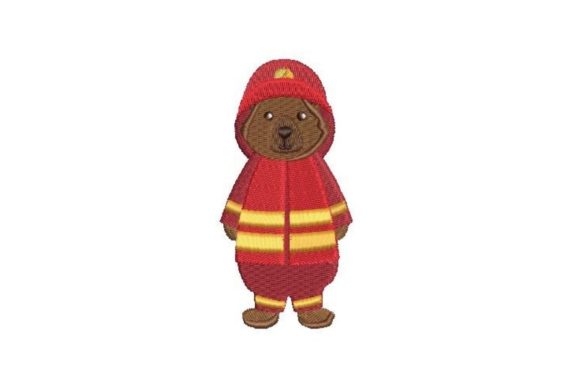
When I first opened the file for Bear Firefighter, my immediate reaction wasn't about stitch counts or color palettes. It was about the character. In a sea of generic animal motifs, this design captures a specific mood that feels both nostalgic and modern. As an experienced designer who frequently tests files before incorporating them into client work or Etsy listings, I look for designs that hold up under scrutiny. This piece isn't just a cute image; it is a narrative asset ready to be stitched onto fabric.
The concept of a bear dressed as a firefighter taps into a universal sense of heroism and comfort. For a small business owner or a crafter looking to create personalized gifts, this theme offers a unique angle. It moves beyond standard teddy bears into something more dynamic. The visual personality here suggests durability mixed with sweetness, which translates well into physical products. Whether you are preparing custom apparel for a local fire station fundraiser or designing a nursery collection, Bear Firefighter provides a strong focal point that customers can instantly connect with.
From Digital File to Finished Product
Translating a digital embroidery file into a tangible item requires careful consideration of how the stitches interact with different materials. My experience suggests that Bear Firefighter shines when applied to structured fabrics where the design can maintain its shape. Imagine stitching this onto a canvas tote bag. The sturdy nature of the fabric supports the density of the fill stitches required for the bear's fur and the firefighter's jacket. The result is a tactile, high-quality finish that elevates the perceived value of the bag.
However, the real test comes with softer items like sweatshirts or baby clothes. When evaluating this design for a baby onesie, the layout needs to be considered carefully. The proportions of the bear suggest a medium-sized placement that works best on the chest area of a child's garment or the center back of a hoodie. If you are an Etsy seller creating mockups, visualize this design in a warm red or navy thread against a soft cream background. The contrast creates a professional look that signals quality to potential buyers.
I also tested the mental model of using this for embroidered patches. The distinct outline of the firefighter gear makes it suitable for iron-on applications, provided the stabilizer is chosen correctly. A patch featuring Bear Firefighter could easily become a signature element on a denim jacket or a backpack, adding a touch of whimsy to everyday wear. The design's clarity ensures that even small details, like the helmet or the badge, remain visible after the cutting process.
Where to Exercise Caution
While this design has broad appeal, there are specific scenarios where Bear Firefighter might struggle if not handled with precision. One critical factor is the hoop size. If you attempt to stitch this on a very small surface, such as the front panel of a baseball cap or a tiny pocket, the curvature of the fabric can distort the straight lines of the uniform. Curved surfaces require specialized techniques, and without proper tension adjustments, the bear's features might appear slightly warped.
Textured fabrics present another challenge. While the design looks great on smooth cotton or linen, placing it on a heavy fleece or a bouclé fabric can obscure the finer details. The running stitches used for outlining might get lost in the pile of the material. Similarly, thin fabrics like silk or lightweight rayon require significant stabilization. Without a heavy-duty cut-away stabilizer, the dense fill stitches could cause puckering, ruining the clean aesthetic of the finished product.
Dense stitch areas are common in machine embroidery, but they demand respect. If the design includes large blocks of solid color for the bear's coat, ensure your machine is capable of handling the needle penetration without skipping. Dark fabrics also pose a risk if the thread colors chosen do not provide enough contrast. A dark blue bear on a black shirt will disappear, defeating the purpose of the design. Always test your thread choices against the final fabric color before committing to a full production run.
Impact on Brand and Customer Perception
In the world of handmade commerce, the quality of the embroidery speaks volumes about your brand. A crisp, well-executed Bear Firefighter design builds trust. Customers expect that a "handmade" label means attention to detail. If the stitches are loose, the threads are frayed, or the alignment is off, it undermines the entire effort. Conversely, a clean execution of this design suggests professionalism and care.
This design also enhances giftability. People love giving personalized items that tell a story. A pillow cover embroidered with Bear Firefighter is not just a decoration; it is a conversation starter. It fits perfectly into holiday gift guides, baby shower themes, or even corporate merchandise for fire departments. The emotional resonance of the theme increases the likelihood of a purchase because the buyer sees themselves gifting a moment of joy rather than just a product.
For digital product sellers, this file is a versatile asset. You can use it in printable mockups to showcase how it would look on various items without actually stitching them. This allows you to market the design effectively before selling the physical goods. However, remember that the visual appeal of the mockup relies heavily on the accuracy of the original file. If the source design lacks definition, your marketing images will suffer.
Practical Notes for the Embroidery Designer
Before you start stitching, there are several technical steps you must take to ensure success. First and foremost, always test the design on scrap fabric. This simple step reveals issues with tension, stabilizer choice, and thread compatibility that you cannot see on a screen. Check the stitch density; if the bear looks too crowded, consider adjusting the settings or simplifying the design slightly.
Review the thread colors critically. High contrast is key for recognition. If you are using a limited palette, ensure the colors pop against the fabric. Inspect small details like the eyes or the buttons on the uniform. These tiny elements often get lost if the resolution of the file is low or if the hoop size is too small. Use a stabilizer that matches the weight of your fabric. A light stabilizer won't support a heavy design, and a heavy one might make a delicate project feel stiff.
Confirming licensing is equally important. Before selling finished items featuring Bear Firefighter, verify the terms of use. Some digital files allow commercial use, while others restrict sales to personal projects only. Ignoring these terms can lead to legal trouble and damage your reputation as a responsible creator. Compare the design on light and dark backgrounds to ensure versatility. Finally, check whether the design works for both personal and commercial projects, as this determines your ability to scale your craft business.
In conclusion, Bear Firefighter is a robust addition to any embroidery library. It balances charm with structural integrity, making it suitable for a wide range of products from tote bags to nursery decor. By paying attention to fabric selection, stabilization, and thread contrast, you can transform this digital file into a stunning finished product that delights customers and strengthens your brand. Whether you are a hobbyist making a gift or a small shop owner expanding your catalog, this design offers a reliable path to creating memorable, high-quality embroidered items.